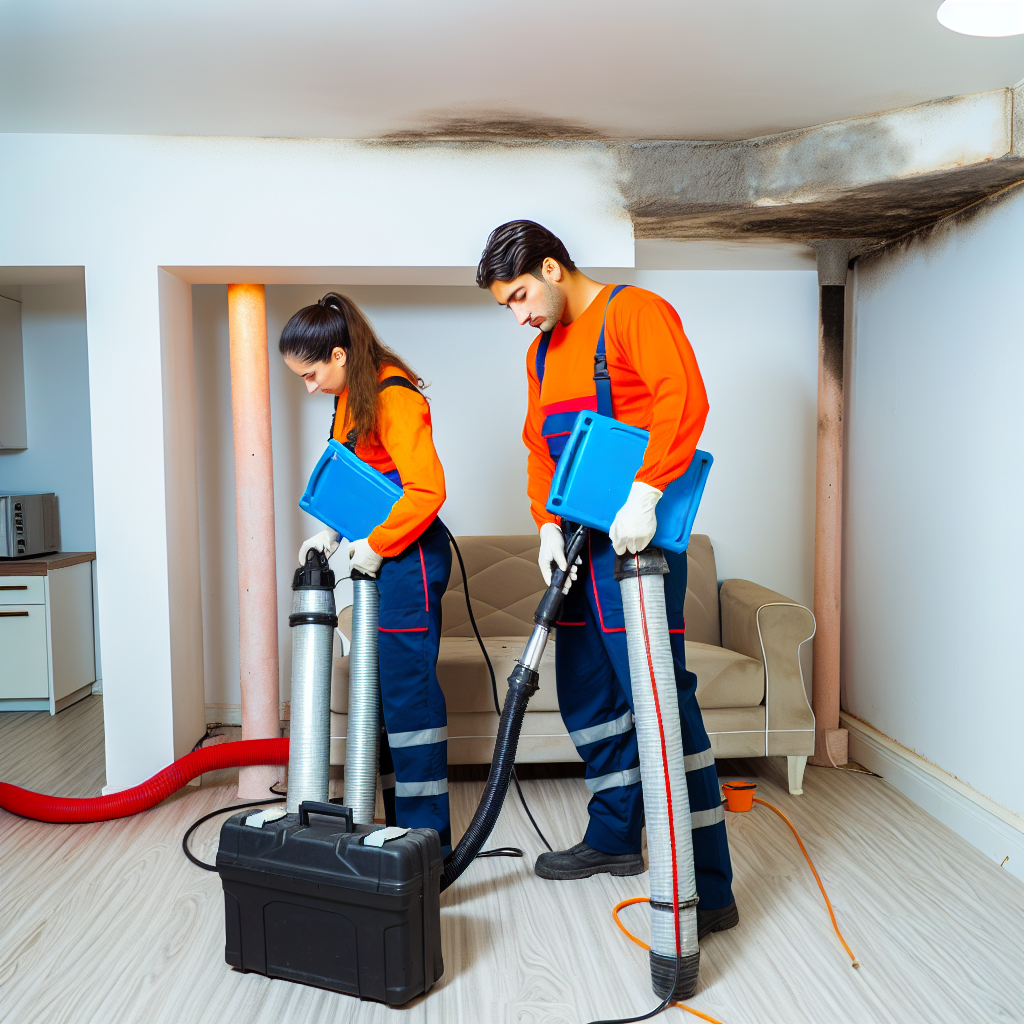
Why Savannah Homes Face Elevated Mold Risk & What Professional Remediation Involves
Savannah’s average relative humidity ranges from 70% to 90% year-round, making Chatham County one of Georgia’s highest-risk areas for indoor mold growth. Professional mold remediation in Savannah, GA typically costs between $10 and $30 per square foot, with most residential projects falling in the $1,500–$6,000 range depending on severity and square footage affected. Historic homes in the Victorian District, Ardsley Park, and Isle of Hope face additional challenges from aging plaster walls, limited ventilation, and original wood framing that traps moisture in crawlspaces and wall cavities.
Since Hurricane Matthew in 2016 and Hurricane Irma in 2017, Savannah mold remediation services have seen sustained demand as hidden moisture behind walls and under flooring continues to produce mold colonies months or even years after initial water intrusion. Black mold (Stachybotrys chartarum) thrives in Savannah’s warm, damp conditions and commonly appears in bathrooms, HVAC ductwork, attic sheathing, and flood-damaged crawlspaces. Certified mold remediation Savannah GA professionals use moisture meters, thermal imaging, and air sampling to detect growth that visual inspections alone miss.
If you suspect mold in your Savannah home or business, call (912) 418-5138 for a free inspection. Our IICRC-certified technicians respond within 45 minutes for emergency mold remediation Savannah situations, including post-storm flooding, burst pipes, and sewage backups.
📞 Get Help Now — (912) 418-5138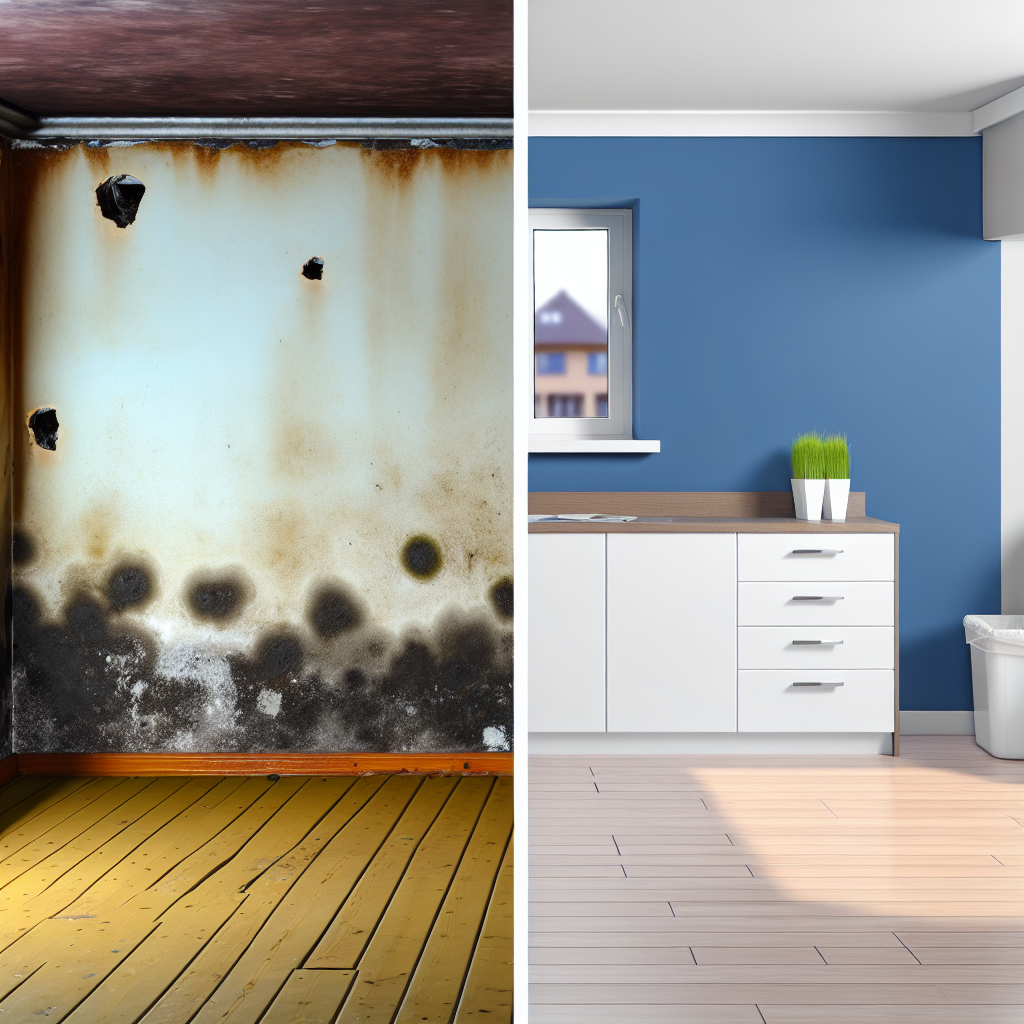
Mold Remediation Service Specifications
Every Savannah Mold Remediation project includes a written scope of work, pre-remediation air sampling results, and post-clearance testing documentation for your records and insurance filing.
- Response Time:
- Under 45 minutes for emergency calls within Savannah city limits. Same-day scheduling available for non-emergency inspections across Chatham County.
- Service Area:
- All Savannah zip codes (31401, 31404, 31405, 31406, 31407, 31408, 31410, 31415, 31419) plus Tybee Island, Pooler, Bloomingdale, Garden City, and surrounding Chatham County.
- Certifications:
- IICRC-certified in Applied Microbial Remediation (AMRT) and Water Damage Restoration (WRT). All technicians carry current Georgia contractor licensing.
- Equipment & Technology:
- HEPA air scrubbers, negative air machines, commercial dehumidifiers, thermal imaging cameras, digital moisture meters, air sampling cassettes, and EPA-registered antimicrobial treatments.
- Pricing:
- $10–$30 per square foot. Small bathroom projects start around $500. Full crawlspace or multi-room remediation averages $2,000–$6,000. Free written estimates before work begins.
- Insurance:
- Direct billing to all major Georgia homeowners insurance carriers. We document water damage origin and mold extent for claims covered under sudden and accidental water damage provisions.
- Guarantee:
- 1-year written workmanship warranty on all remediation projects. Post-clearance air testing confirms spore counts return to normal outdoor baseline levels before project closeout.
Common Causes of Mold Problems in Savannah Homes & Businesses
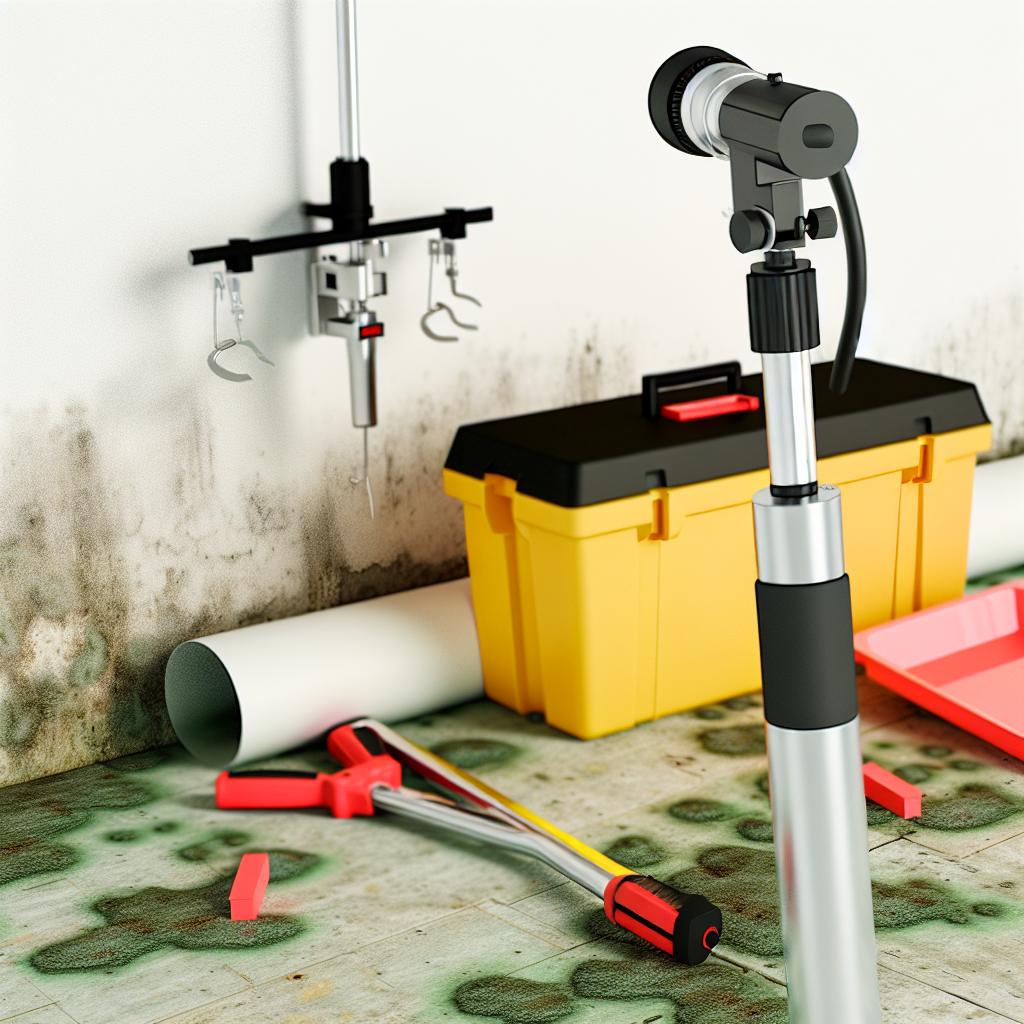
Savannah’s coastal location, aging housing stock, and subtropical climate create a combination of moisture sources that fuel mold growth in residential and commercial properties throughout Chatham County.
Hurricane & Tropical Storm Flooding
Post-storm flooding from hurricanes like Matthew and Irma saturates crawlspaces, wall cavities, and subflooring in low-lying areas near the Wilmington River and Thunderbolt. Mold colonies can establish within 24–48 hours of water intrusion. Properties on Tybee Island and along Islands Expressway face repeated tidal surge exposure during storm events.
Chronic Humidity & Poor Ventilation
Savannah’s average humidity exceeds 70% for most of the year, and historic homes in the Victorian District and Ardsley Park often lack modern HVAC systems capable of controlling indoor moisture. Original single-pane windows, uninsulated walls, and sealed-off fireplaces trap humid air. Condensation on cold surfaces creates persistent damp conditions ideal for Aspergillus and Cladosporium growth.
Plumbing Leaks & HVAC Condensation
Aging galvanized pipes in Savannah’s older neighborhoods like Midtown and Thomas Square frequently develop pinhole leaks behind walls. HVAC condensate drain lines clog in Savannah’s dusty summer months, sending water into ceiling cavities and air handler closets. These slow leaks often go undetected for weeks, allowing hidden mold colonies to spread inside wall assemblies.
Crawlspace Moisture in Coastal Properties
Savannah’s high water table means many homes in Isle of Hope, Skidaway Island, and the Southside sit on crawlspaces with standing water or saturated soil. Exposed dirt floors without vapor barriers allow moisture to migrate upward into floor joists and subfloor sheathing. Black mold on crawlspace structural members is one of the most common findings during Savannah home inspections.
Our 7-Step Mold Remediation Process
Every professional mold remediation Savannah GA project follows the IICRC S520 Standard for mold remediation. This protocol ensures systematic containment, removal, and verification of results.
-
Step 1: Initial Inspection & Moisture Assessment
A certified technician inspects your Savannah property using thermal imaging cameras and digital moisture meters to identify all affected areas. We check behind walls, under flooring, inside HVAC ductwork, and throughout crawlspaces. A written assessment documents moisture readings, visible mold extent, and the suspected water source.
-
Step 2: Air Quality Testing & Lab Analysis
We collect indoor and outdoor air samples using calibrated sampling cassettes. Samples ship to an accredited third-party laboratory for spore identification and count analysis. Results establish baseline contamination levels and identify the specific mold species present, such as Stachybotrys, Aspergillus, or Penicillium.
-
Step 3: Containment & Negative Air Pressure
Affected areas are isolated using 6-mil polyethylene sheeting and sealed with contractor tape. Negative air machines create pressure differentials that prevent spore migration to unaffected rooms. HVAC systems serving the containment zone are shut down and sealed to prevent cross-contamination through ductwork.
-
Step 4: HEPA Air Filtration
Commercial HEPA air scrubbers filter airborne spores down to 0.3 microns with 99.97% efficiency. Units run continuously throughout the remediation process. In Savannah’s humid conditions, we pair air scrubbers with commercial dehumidifiers to maintain relative humidity below 50% inside the containment area.
-
Step 5: Mold Removal & Material Disposal
Technicians remove mold-contaminated drywall, insulation, carpet, and other porous materials that cannot be effectively cleaned. Non-porous surfaces like wood framing, concrete, and metal are cleaned using HEPA vacuums and wire brushing. All contaminated materials are double-bagged in 6-mil poly bags and disposed of according to local Chatham County waste guidelines.
-
Step 6: Antimicrobial Treatment & Encapsulation
After removal, all surfaces in the remediation zone receive EPA-registered antimicrobial treatment to eliminate residual spores. Cleaned wood framing and crawlspace structural members are treated with encapsulant coatings that prevent future colonization. This step is especially important in Savannah’s historic homes where replacing original lumber is not feasible.
-
Step 7: Post-Clearance Testing & Documentation
A final round of air sampling confirms spore counts have returned to normal outdoor baseline levels. You receive a complete project file including pre- and post-remediation lab reports, moisture readings, photos of work performed, and your 1-year written warranty. This documentation package supports insurance claims and future real estate transactions.
Timeline & Costs for Savannah Mold Remediation Projects
Mold remediation costs in Savannah, GA vary based on the size of the affected area, mold species present, materials involved, and accessibility. Below are typical ranges for common project types in Chatham County homes.
| Project Type | Common Scenario | Typical Area | Cost Range | Timeline |
|---|---|---|---|---|
| Bathroom Mold | Shower surround, vanity cabinet, ceiling mold from exhaust fan failure | 25–75 sq ft | $500–$1,500 | 1 day |
| Crawlspace Mold | Floor joist and subfloor mold from ground moisture in Isle of Hope or Southside homes | 200–800 sq ft | $2,000–$5,000 | 2–3 days |
| Whole-Room Remediation | Drywall, carpet, and HVAC contamination after slow plumbing leak in Midtown or Ardsley Park | 150–400 sq ft | $2,500–$6,000 | 2–4 days |
| Post-Flood Remediation | Multi-room mold after hurricane or tidal flooding in Tybee Island or Thunderbolt properties | 500–2,000+ sq ft | $4,000–$15,000+ | 3–7 days |
All estimates are based on typical 2024–2025 project costs in the Savannah metro area. Actual pricing depends on inspection findings, material costs, and project complexity. We provide free written estimates before any work begins. Emergency and after-hours service may carry additional charges.
Why Choose Savannah Mold Remediation
Savannah Mold Remediation focuses on transparent pricing, documented results, and locally experienced technicians who understand the specific moisture challenges Chatham County properties face. Every project includes pre- and post-clearance lab testing so you have verified proof that remediation was successful.
IICRC-Certified Technicians
All technicians hold current IICRC certifications in Applied Microbial Remediation (AMRT) and Water Damage Restoration (WRT). These credentials require ongoing education in the latest remediation protocols. Certification status is verifiable through the IICRC registry.
Documented Results with Lab Testing
We collect air samples before and after every project and send them to an accredited third-party laboratory. You receive written lab reports showing spore counts returned to normal levels. This documentation supports insurance claims and provides peace of mind.
Savannah-Specific Experience
Our team has completed over 500 remediation projects across Chatham County. We understand the unique challenges of historic home construction, coastal crawlspaces, and post-hurricane moisture intrusion. This local experience means faster diagnosis and more effective treatment plans.
Transparent Pricing & Free Estimates
You receive a detailed written estimate before any work starts. Our pricing breaks down costs by area, materials, and labor so there are no surprises. We also assist with insurance documentation to maximize your covered benefits under Georgia homeowners policies.

DIY vs. Professional Mold Remediation in Savannah
| Factor | DIY Approach | Professional Remediation |
|---|---|---|
| Effective Area | ✗ Surface mold on non-porous surfaces under 10 sq ft (EPA guideline) | ✓ Any size area including behind walls, in crawlspaces, and inside HVAC systems |
| Mold Detection | ✗ Visual inspection only — misses hidden growth in wall cavities and subfloors | ✓ Thermal imaging, moisture meters, and laboratory air sampling detect hidden colonies |
| Containment | ✗ No containment — disturbing mold spreads spores to unaffected rooms | ✓ Sealed polyethylene barriers and negative air pressure prevent cross-contamination |
| Cleaning Method | ✗ Bleach kills surface mold but does not penetrate porous materials like drywall or wood | ✓ HEPA vacuuming, material removal, and EPA-registered antimicrobial treatments eliminate mold at the source |
| Air Quality | ✗ No air filtration during cleaning — airborne spore counts increase significantly | ✓ HEPA air scrubbers filter 99.97% of particles down to 0.3 microns throughout the process |
| Verification | ✗ No testing to confirm mold is fully removed — recurrence is common | ✓ Post-clearance air sampling with lab analysis confirms spore counts at normal baseline levels |
What to Expect When You Call
When you call (912) 418-5138, you’ll speak directly with a remediation specialist who will ask about the size and location of the mold, any known water damage, and your timeline. For emergencies, a technician arrives within 45 minutes to assess the situation and begin containment. For scheduled projects, we provide a free on-site inspection, written estimate, and detailed scope of work within 24 hours. Most residential remediation projects in Savannah are completed in 1–5 days, with post-clearance lab results delivered within 48 hours of project completion.
Common Mold Remediation Project in Savannah
📍 Typical Mold Remediation Project: Crawlspace Black Mold in a Historic Midtown Home
- Typical Scenario:
- A homeowner in Savannah’s Midtown neighborhood noticed a musty smell on the first floor and discovered dark staining on hardwood flooring near the kitchen. A home inspector found extensive black mold on floor joists and subflooring in the crawlspace, traced to a slow plumbing leak under the kitchen sink that had gone undetected for several months.
- Our Approach:
- The remediation team set up containment barriers at all crawlspace access points and installed negative air machines to prevent spore migration into living areas. Technicians HEPA-vacuumed all affected joists and subflooring, removed saturated insulation, and applied EPA-registered antimicrobial treatment to all structural wood surfaces. A commercial dehumidifier ran for 72 hours to bring crawlspace humidity below 50%.
- Typical Outcome:
- The project was completed in 3 days at a cost of $3,200 for approximately 400 square feet of crawlspace treatment. Post-clearance air sampling confirmed spore counts returned to normal outdoor baseline levels. The homeowner received a 1-year written warranty and complete documentation for their insurance claim, which covered the remediation under the policy’s sudden water damage provision.
Local Savannah Mold Risks & Prevention Strategies
High-Risk Neighborhoods & Building Types
Properties in Tybee Island, Isle of Hope, and Thunderbolt face elevated mold risk due to proximity to tidal waterways and the Wilmington River. Storm surge flooding during hurricane season can saturate crawlspaces and wall cavities within hours. Historic homes in the Victorian District, Ardsley Park, and Thomas Square often have original plaster walls, single-pane windows, and limited mechanical ventilation that trap moisture indoors.
Seasonal Mold Patterns in Savannah
Mold growth accelerates between April and October when Savannah’s outdoor humidity regularly exceeds 85%. HVAC condensation becomes a major moisture source during summer months when temperature differentials between cooled indoor air and hot attic spaces create condensation on ductwork and ceiling drywall. Homes that lose power during summer storms can develop visible mold within 48–72 hours as indoor humidity spikes above 70%.
Crawlspace & Foundation Considerations
Savannah’s high water table means many homes sit on crawlspaces with chronically damp soil. Without a proper vapor barrier and dehumidification system, moisture migrates upward into floor joists and subflooring. Encapsulated crawlspaces with sealed vapor barriers and dedicated dehumidifiers are the most effective long-term prevention strategy for Savannah’s coastal properties.
Georgia Building Code & Mold Prevention
Georgia does not have a specific state mold licensing requirement, but the IICRC S520 Standard is the recognized industry protocol for remediation work. Chatham County building permits may be required for projects involving structural demolition or reconstruction. Savannah homeowners should verify that any remediation contractor carries current general contractor licensing and liability insurance valid in Georgia.
Prevention Checklist for Savannah Property Owners
- Maintain indoor humidity below 50% using a whole-home or crawlspace dehumidifier rated for Savannah’s climate
- Install a sealed vapor barrier (minimum 12-mil polyethylene) over exposed crawlspace soil
- Inspect HVAC condensate drain lines monthly during Savannah’s April–October cooling season
- Ensure bathroom exhaust fans vent directly outside — not into the attic, which traps moisture in Savannah’s heat
- Grade soil around your foundation to slope away from the house, directing rainwater toward storm drains
- Replace aging caulk and weatherstripping around windows in historic Savannah homes to reduce condensation
- Schedule a professional mold inspection after any flooding event, plumbing leak, or extended power outage
- Clean and maintain gutters and downspouts to prevent water pooling near the foundation during Savannah’s frequent heavy rain events
Insurance Claims Assistance for Savannah Mold Remediation
Most Georgia homeowners insurance policies cover mold remediation when the mold results from a “sudden and accidental” covered peril, such as a burst pipe, appliance failure, or storm damage. Policies typically exclude mold caused by long-term maintenance neglect, ongoing humidity without mitigation, or pre-existing conditions known before policy inception. Coverage limits for mold-related claims in Georgia commonly range from $5,000 to $25,000 depending on your carrier and policy tier.
Savannah Mold Remediation documents every project with the specific evidence insurance adjusters require: photographs of the water damage source, moisture meter readings, pre-remediation air sampling lab reports, itemized scope of work, and post-clearance testing results. We work directly with your insurance adjuster throughout the claims process and can provide direct billing to your carrier to minimize your out-of-pocket costs during an already stressful situation.
Our 5-Step Insurance Claim Process
- We document the water damage source and mold extent with photographs, moisture readings, and air samples during the initial inspection
- You receive a detailed written estimate and scope of work formatted to match insurance adjuster requirements for Georgia claims
- We contact your insurance adjuster directly to review findings, answer technical questions, and confirm coverage before work begins
- Throughout remediation, we maintain a photo log and daily progress reports that support your claim documentation
- After post-clearance testing confirms successful remediation, we submit the complete documentation package to your carrier for final claim processing
What Georgia Insurance Typically Covers
Mold from burst pipes, failed water heaters, washing machine hose failures, roof leaks from storm damage, and fire suppression water damage. Your policy’s “sudden and accidental” water damage provision is the key coverage trigger. Review your declarations page or call your agent to confirm your mold coverage limit.
Direct Insurance Billing Available
We bill your insurance carrier directly so you pay only your deductible upfront. Our team handles adjuster communications, supplemental documentation requests, and claim follow-up. This service is included at no additional cost on all insured mold remediation projects in Savannah.
Certifications & Equipment We Use
IICRC Certifications
All Savannah Mold Remediation technicians hold current IICRC certifications in Applied Microbial Remediation (AMRT) and Water Damage Restoration (WRT). The IICRC is the certification body recognized by the insurance industry and the EPA for remediation professionals. Certification requires documented coursework, field experience, and continuing education. You can verify any technician’s certification status through the IICRC online registry.
Georgia Contractor Licensing & Insurance
Savannah Mold Remediation carries current Georgia general contractor licensing, general liability insurance, and workers’ compensation coverage. While Georgia does not require a separate mold-specific license, our contractor licensing ensures compliance with Chatham County permitting requirements for projects involving structural demolition or reconstruction. Proof of insurance is provided with every project estimate.
Equipment Deployed on Every Project
- HEPA Air Scrubbers — Filter airborne mold spores down to 0.3 microns with 99.97% capture efficiency. Units run continuously during remediation to maintain clean air inside containment zones.
- Negative Air Machines — Create pressure differentials inside containment areas that prevent contaminated air from migrating to unaffected rooms. Essential for protecting occupants in partially occupied Savannah homes.
- Commercial Dehumidifiers — LGR (Low Grain Refrigerant) units remove up to 30 gallons of moisture per day. Critical for achieving target humidity below 50% in Savannah’s humid subtropical environment.
- Thermal Imaging Cameras — Detect temperature differentials in walls, ceilings, and floors that indicate hidden moisture and potential mold growth behind finished surfaces without destructive investigation.
- Digital Moisture Meters — Pin-type and pinless meters measure moisture content in wood, drywall, concrete, and other building materials. Readings document pre- and post-remediation conditions for your project file.
- Air Sampling Cassettes — Calibrated sampling equipment collects indoor and outdoor air samples for laboratory spore count analysis. Third-party lab results provide objective verification of remediation success.
Why You Can Trust Savannah Mold Remediation
Current Georgia general contractor license, general liability insurance, and workers’ compensation coverage on every project in Chatham County.
All technicians hold IICRC Applied Microbial Remediation (AMRT) and Water Damage Restoration (WRT) certifications, verifiable through the IICRC online registry.
Under 45-minute response time for emergency mold situations in Savannah, including post-flood containment, sewage backups, and storm damage throughout Chatham County.
Every remediation project includes a 1-year written warranty backed by post-clearance air testing that confirms spore counts returned to normal baseline levels.
Serving Savannah and Surrounding Communities
Savannah Mold Remediation provides emergency and scheduled mold remediation services across Chatham County with under 45-minute response times throughout the greater Savannah metro area.
Zip codes served: 31401 • 31402 • 31404 • 31405 • 31406 • 31407 • 31408 • 31410 • 31411 • 31415 • 31419 • 31322 • 31328 and surrounding Chatham County.
Frequently Asked Questions About Mold Remediation in Savannah, GA
How long does mold remediation take in Savannah?
Most residential mold remediation projects in Savannah take 1–5 days depending on the size of the affected area and the materials involved. A single bathroom averages 1 day, while crawlspace remediation typically requires 2–3 days. Post-flood projects involving multiple rooms can take 5–7 days. Post-clearance air sampling results are delivered within 48 hours of project completion.
What does mold remediation cost in Savannah, GA?
Mold remediation in Savannah, GA typically costs $10–$30 per square foot. Small projects like a bathroom mold removal start around $500. Crawlspace remediation averages $2,000–$5,000, and full multi-room projects range from $4,000–$15,000. We provide free on-site inspections and written estimates before any work begins.
Does homeowners insurance cover mold remediation in Georgia?
Georgia homeowners insurance generally covers mold remediation when the mold results from a sudden and accidental water event, such as a burst pipe or appliance failure. Mold from long-term neglect, ongoing humidity, or pre-existing conditions is typically excluded. Coverage limits commonly range from $5,000 to $25,000. We work directly with your insurance adjuster and provide all required documentation.
Can I stay in my home during mold remediation?
In most cases, yes. Our containment procedures isolate the work area with sealed polyethylene barriers and negative air pressure, preventing spore migration to unoccupied rooms. However, if mold is found in your HVAC system or the affected area is large enough that containment cannot fully isolate living spaces, we may recommend temporary relocation. Your technician will advise you during the initial inspection.
How do I prevent mold from returning after remediation?
Maintain indoor humidity below 50% using a dehumidifier suited for Savannah’s climate. Fix any plumbing leaks immediately. Ensure bathroom exhaust fans vent directly outside, not into the attic. Install a sealed vapor barrier in your crawlspace. Inspect HVAC condensate drain lines monthly during the April–October cooling season. Schedule a professional inspection after any flooding or extended power outage.
What is the difference between mold remediation and mold removal?
Mold removal refers only to physically removing visible mold. Mold remediation is a comprehensive process that includes identifying the moisture source, containing the affected area, removing contaminated materials, treating surfaces with antimicrobials, and verifying results through post-clearance air testing. Remediation addresses the root cause to prevent recurrence, while removal alone often leads to mold returning within weeks.
Do you handle mold in historic Savannah homes?
Yes. Our team has extensive experience with historic homes in the Victorian District, Ardsley Park, and other Savannah historic neighborhoods. These properties require specialized containment techniques to protect original plaster, woodwork, and architectural features. We use non-destructive moisture detection tools and encapsulant treatments on original structural members when replacement is not appropriate or desired.
Are you available 24/7 for emergency mold remediation in Savannah?
Yes. Our emergency mold remediation Savannah team responds 24 hours a day, 7 days a week, including holidays. For emergencies within Savannah city limits, our typical response time is under 45 minutes. Emergency situations include post-flood mold containment, sewage backups, burst pipes, and any situation where mold is actively spreading due to ongoing moisture intrusion. Call (912) 418-5138 anytime.
What Georgia regulations apply to mold remediation?
Georgia does not currently require a separate state mold remediation license. However, the IICRC S520 Standard is the recognized industry protocol that insurance companies and courts reference for proper remediation procedures. Projects involving structural demolition or reconstruction may require Chatham County building permits. All Savannah Mold Remediation technicians carry current Georgia contractor licensing and IICRC certification.
How do I know if there is hidden mold in my Savannah home?
Common signs of hidden mold include persistent musty odors, unexplained allergy symptoms that improve when you leave the house, visible water stains on ceilings or walls, and peeling paint or bubbling wallpaper. Professional detection uses thermal imaging cameras to find moisture behind walls, digital moisture meters to measure material moisture content, and air sampling to identify elevated spore counts. Savannah’s humidity makes hidden mold especially common in crawlspaces, wall cavities, and HVAC ductwork.
Service Guarantees
1-Year Written Workmanship Warranty
Every mold remediation project includes a 1-year written warranty covering all treated areas. If mold returns in a remediated area within the warranty period and no new water intrusion has occurred, we re-treat the area at no additional cost. Warranty documentation is included in your project file.
Post-Clearance Air Testing Guarantee
We do not consider a project complete until post-clearance air sampling confirms indoor spore counts have returned to normal outdoor baseline levels. If clearance testing fails, we continue remediation work at no additional charge until passing results are achieved. Lab reports are provided from an accredited third-party laboratory.
Transparent Pricing Guarantee
You receive a detailed written estimate before any work begins, with costs broken down by area, materials, and labor. If additional work beyond the original scope is discovered during remediation, we obtain your written approval before proceeding. No surprise charges appear on your final invoice.
Insurance Documentation Guarantee
For insured claims, we provide a complete documentation package including photographs, moisture readings, air sampling lab reports, and itemized invoices formatted to your carrier’s requirements. We communicate directly with your adjuster throughout the process and handle supplemental documentation requests at no extra cost.
Get Fast, Professional Mold Remediation in Savannah Today
Mold spreads rapidly in Savannah’s humid climate — a small patch can become a major remediation project within days. Call (912) 418-5138 now for a free inspection and same-day written estimate. Our IICRC-certified team is available 24/7 for emergency mold remediation anywhere in Chatham County.
📞 (912) 418-5138Call Now — Free Assessment